All Categories
Featured
:max_bytes(150000):strip_icc()/debtrestructuring.asp_final-a64fcb2c01704710bc55061e4304ce7d.png)

Little Known Facts About Compliance Considerations in Debts You Still Owe After Bankruptcy: What You Can’t Erase : APFSC.
Table of Contents
While brand-new credit rating can assist you rebuild, it is very important to room out your applications. If you have a family member or buddy with stellar credit scores, consider asking to add you as an authorized customer on among their credit cards. If they do it, the complete history of the account will certainly be included to your credit report reports.
![Freedom Debt Relief vs. National Debt Relief [2026] FinanceBuzz](https://www.debt.org/wp-content/uploads/2020/06/shutterstock_83597350-1.jpg)
Prior to you take into consideration financial obligation settlement or bankruptcy, it is essential to comprehend the potential advantages and drawbacks and just how they may relate to your scenario. Right here's what to bear in mind. Both options can lower or eliminate big parts of unsafe debt, helping you prevent years of unmanageable repayments. Working out a debt or filing for insolvency can stop legal actions, wage garnishments, and aggressive lender activities.
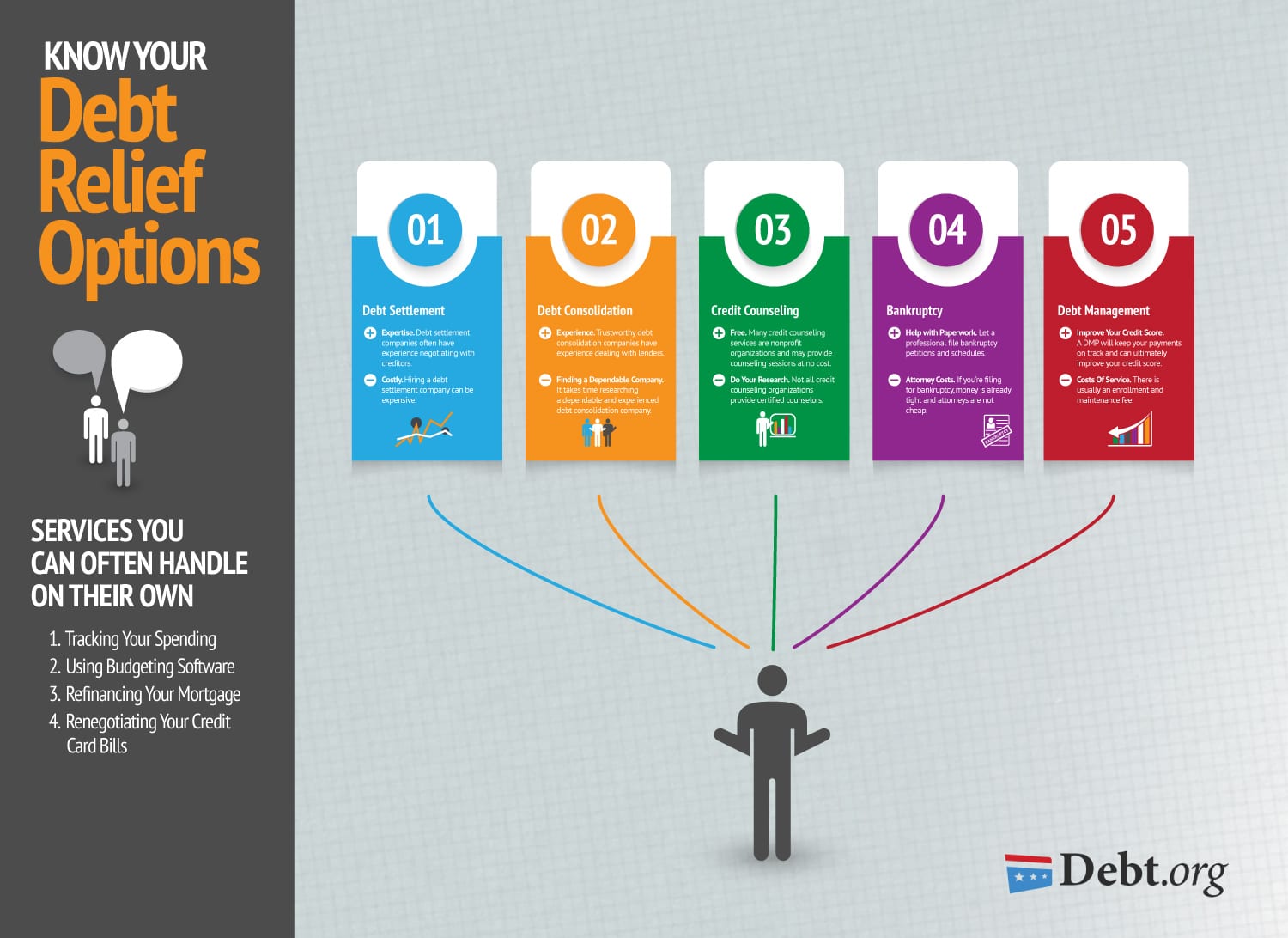
If you're unsure that financial obligation negotiation or personal bankruptcy is ideal for you, below are a few other financial obligation relief choices to think about. The right means will certainly depend upon your scenario and goals. If you have some adaptability with your budget, here are some increased debt repayment options you can go after: Begin by providing your financial debts from the tiniest to the largest equilibrium.
A Biased View of Understanding Different Debt Forgiveness You Need to Know About
The counselor works out with financial institutions to lower rate of interest, waive late costs, and develop a convenient monthly payment. You make one consolidated payment to the company, which then pays your banks. While a DMP doesn't minimize the major equilibrium, it assists you repay debt quicker and extra affordably, usually within 3 to 5 years.
While you can discuss with creditors by yourself, it's typically a complex and lengthy procedure, particularly if you need to fix a large quantity of financial debt throughout numerous accounts. The procedure needs a strong understanding of your finances and the lender's terms along with self-confidence and determination. For this reason, there are debt alleviation companies also understood as debt negotiation companies that can take care of the negotiations for you.
Individuals who enlist in the red alleviation programs have, usually, about $28,000 of unsecured financial obligation throughout nearly 7 accounts, according to an analysis commissioned by the American Association for Financial Obligation Resolution, which took a look at customers of 10 significant debt alleviation firms in between 2011 and 2020. About three-quarters of those customers had at least one financial obligation account successfully cleared up, with the regular enrollee working out 3.8 accounts and more than half of their registered financial obligation.
It prevails for your credit report to fall when you first begin the financial obligation alleviation process, particularly if you quit paying to your financial institutions. As each financial debt is settled, your credit score must begin to rebound. Make sure you understand the overall prices and the effect on your credit history when reviewing if financial obligation negotiation is the ideal option.
How Staying Safe Against Debt Relief Scams can Save You Time, Stress, and Money.
As pointed out above, there are alternatives to financial obligation settlement that might be a better suitable for your financial situation. Below's a fast failure of just how each option works: Financial obligation loan consolidation lets you incorporate several debts into one by obtaining a brand-new car loan to pay off your present financial obligations. This approach turns several financial debts right into a solitary monthly settlement and usually provides a reduced rates of interest, streamlining your finances and possibly saving you money in time.
Here's exactly how each one jobs: Financial obligation consolidation loans: These are personal car loans that you can utilize to resolve your existing financial debts, leaving you with just one monthly bill, generally at a lower rate of interest price. Equilibrium transfer bank card: This involves relocating your existing bank card balances to a new charge card that offers a lower interest rate or a promotional 0% APR for a set period.
When the period finishes, rate of interest prices will certainly be significantly high commonly over 20%. Home equity fundings or HELOCs (home equity lines of debt): These lendings permit you to borrow versus the equity in your home. You receive a round figure or a line of credit report that can be made use of to pay off debts, and you normally take advantage of reduced rate of interest prices contrasted to unsecured car loans.
Creating a Personalized Route to Stability Can Be Fun For Everyone
These plans have numerous benefits, such as streamlining your repayments by combining several into one and potentially reducing your rate of interest. However they usually come with a setup fee ranging from $30 to $50, and a regular monthly upkeep fee of around $20 to $75, depending on the company you deal with.
Having a great deal of financial debt can be overwhelming, however it's still vital to make the effort to take into consideration the information of various services so you recognize any possible risks. The very best financial obligation plan for you depends on your monetary situation. If you're battling with your bills but still haven't missed out on any type of repayments, a financial debt management plan may be a great fit particularly if you don't desire your credit history score to tank.
Whichever your circumstance is, take into consideration talking with a qualified debt therapist, an insolvency attorney, or a qualified debt professional before moving on. They can aid you get a full understanding of your finances and alternatives so you're better prepared to make choices. One more aspect that influences your choices is the sort of financial obligation you have.
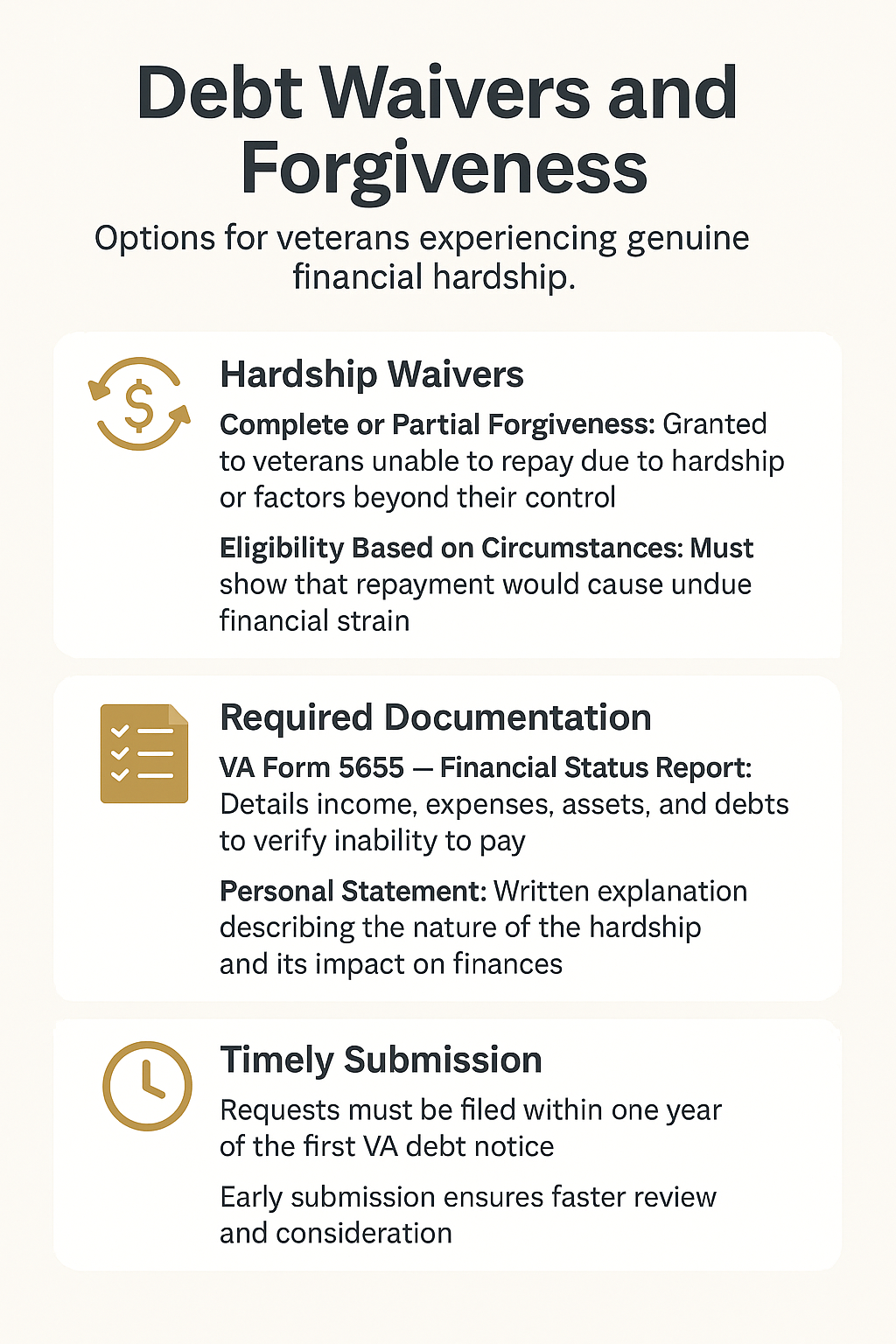
It is vital to understand that a discharge is distinct from financial obligation forgiveness, and financial debt does not get "forgiven" via a bankruptcy filing. Our West Palm Coastline bankruptcy legal representatives can explain in more detail. As a whole, "financial obligation forgiveness" describes a scenario in which a lender does not think it can collect the total of the financial obligation owed from a debtor, and either quits trying to accumulate or accepts forgive a quantity less than what the borrower owed as component of a financial obligation negotiation contract.
10 Easy Facts About Staying Safe Against Fraudulent Schemes Shown
When this happens, the debt will certainly be considered "terminated" by the IRS, and the borrower will generally get a cancellation of debt form the amount of debt forgiven is taxed. In an insolvency instance, financial obligation is not forgiven by a financial institution. Rather, it is released by the bankruptcy court, and discharge has a different meaning from debt mercy.

Table of Contents
Latest Posts
Little Known Facts About Compliance Considerations in Debts You Still Owe After Bankruptcy: What You Can’t Erase : APFSC.
Initial Consultation and What to Ask Fundamentals Explained
Little Known Facts About Understanding Various Relief Programs You Should Know About.
More
Latest Posts
Little Known Facts About Compliance Considerations in Debts You Still Owe After Bankruptcy: What You Can’t Erase : APFSC.
Initial Consultation and What to Ask Fundamentals Explained
Little Known Facts About Understanding Various Relief Programs You Should Know About.